

Quick answer
Yes — for most Twin Cities homeowners, a kitchen remodel is one of the strongest interior investments you can make, but the size of the project matters enormously. According to Zonda's 2025 Cost vs. Value Report, a midrange minor kitchen remodel (about $28,500 nationally) recoups roughly 113% of its cost at resale — the only interior project among the report's top performers. A midrange major kitchen remodel (about $82,800) returns closer to 51%, and an upscale kitchen renovation (about $164,100) recoups around 36%.
In our region — the West North Central division that includes Minnesota — resale returns tend to run somewhat below national averages, so local homeowners should plan around neighborhood home values, not just national headlines. The real answer to "is it worth it" depends on your home, your block, and how long you plan to stay.
What the 2026 ROI data actually says
Each year, Zonda's Cost vs. Value Report compares the cost of common remodeling projects against the value they add at resale, based on surveys of real estate professionals across the country. The most recent report — the 38th annual edition — confirmed a pattern we've seen for years: modest, well-executed updates return a higher percentage of their cost than sprawling renovations.
Kitchen remodel ROI at a glance
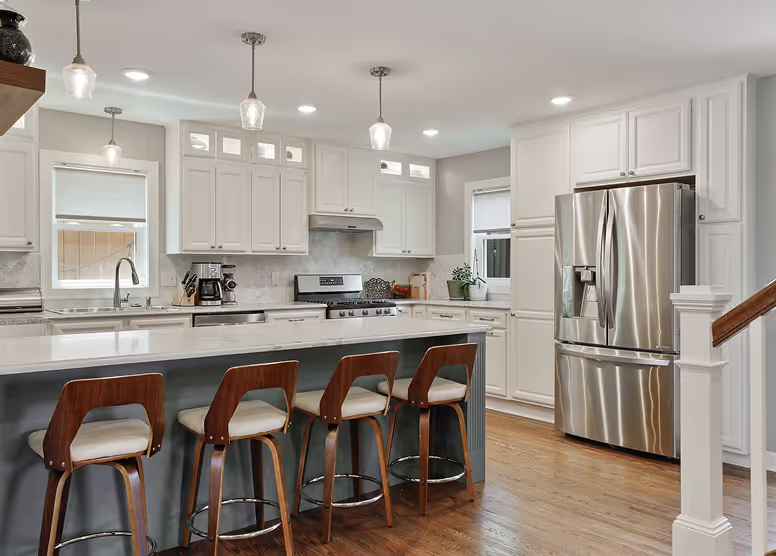
- Minor midrange kitchen remodel (new cabinet fronts and hardware, midgrade countertops, energy-efficient appliances, new flooring and paint): roughly 113% of cost recouped nationally — meaning it can add more value than it costs.
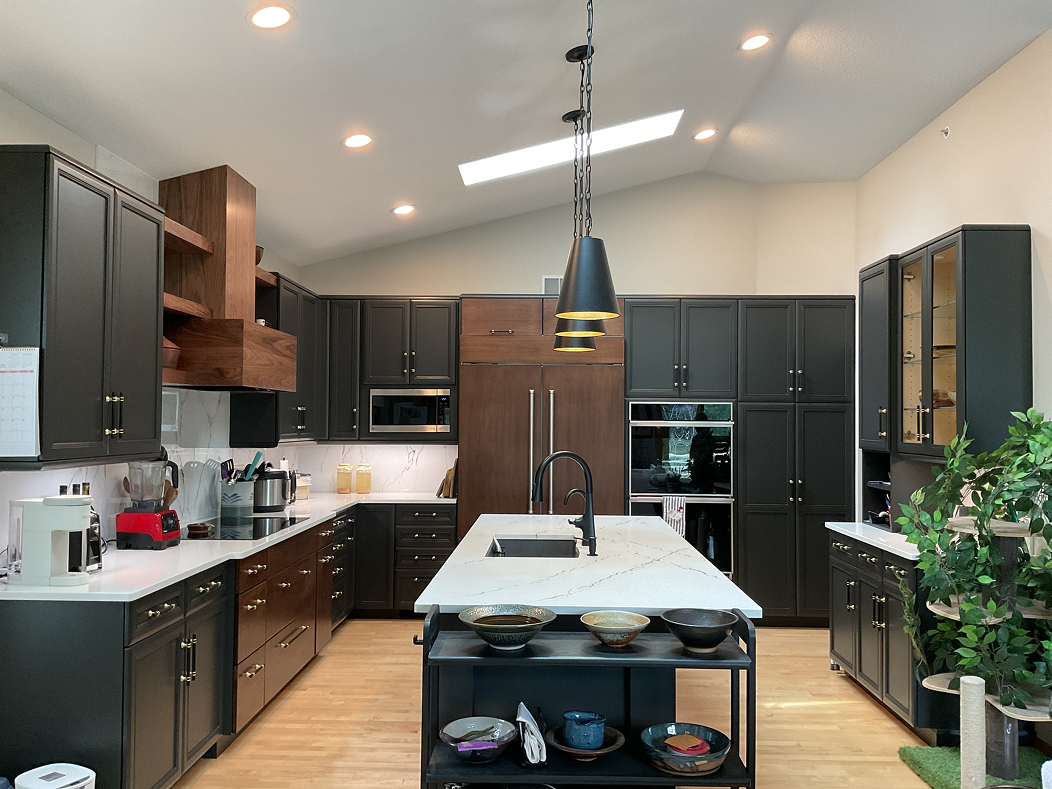
- Major midrange kitchen remodel (full layout update, semi-custom cabinets, new island, all-new appliances and finishes): roughly 51% recouped.
- Major upscale kitchen remodel (custom cabinetry, high-end appliances, designer fixtures): roughly 36% recouped.
Those percentages tell you what a future buyer will pay for — but they don't capture the full picture. If you plan to stay in your home for five, ten, or twenty years, the daily value of a kitchen that actually works for your family is worth far more than a resale statistic. Most of our clients in Edina and Minnetonka aren't remodeling to sell; they're remodeling to stay.
Why smaller projects post higher percentages (and why that's not the whole story)
Minor remodels score well because they refresh the surfaces buyers see — cabinets, counters, appliances — without the structural, plumbing, and electrical costs that come with moving walls and relocating fixtures. Every dollar goes toward visible improvement.
But percentage ROI is a resale metric, not a quality-of-life metric. A cosmetic refresh can't fix a cramped layout, a closed-off kitchen that isolates the cook, or a 1960s footprint that no longer fits how families live. In much of the Twin Cities housing stock — postwar ramblers in St. Louis Park, story-and-a-half homes in Minneapolis, colonials in Edina — the layout itself is the problem, and solving it requires a more substantial remodel. Those projects return less at resale precisely because they deliver something a buyer can't itemize: a home that finally functions.
The practical takeaway: match the scope of your remodel to your goals. If you're preparing to sell within a year or two, a minor remodel is usually the smarter play. If you're staying put, design for how you live and treat resale value as a secondary benefit. We walk through this exact trade-off in our guide to the remodel-or-move decision for Twin Cities homeowners.
Twin Cities factors that shape your return
Local costs run above the national average
Kitchen remodeling in the Minneapolis–St. Paul metro typically prices 10–20% above national figures, a function of our shorter construction season and older housing stock, which can reveal outdated wiring, plumbing, or structural surprises once walls are opened. Full-scale kitchen remodels in the Twin Cities commonly land between $50,000 and $200,000+ depending on scope and finish level. For a detailed local breakdown, see our guide to kitchen remodeling costs in Minneapolis.
Neighborhood ceilings matter
ROI is ultimately capped by what homes sell for on your street. A $150,000 kitchen makes financial sense in an Edina or Minnetonka home valued at $900,000; the same kitchen in a $400,000 St. Paul bungalow over-improves the property. A good design-build firm will be candid about where that line sits in your neighborhood — and will help you spend where it counts.
Permits are about scope, not price
In Minneapolis, permit requirements are triggered by the nature of the work, not its dollar value. Cosmetic updates — painting, new flooring, swapping cabinets or countertops in place — generally don't require a permit. But moving or removing walls requires a building permit; adding a sink or relocating supply lines requires a plumbing permit; and nearly all electrical work beyond battery-powered smoke detectors requires an electrical permit. The city estimates about 15 business days for a first plan review, so permitting belongs in your project timeline from day one. Edina, Minnetonka, and St. Paul each administer their own permits with similar triggers. A reputable design-build contractor handles all of this for you — unpermitted work can surface at resale and erase the very value you invested in.
How to maximize kitchen remodel ROI in the Twin Cities
- Prioritize layout and light over luxury labels. Buyers and appraisers respond to open sightlines, good work triangles, and natural light more than to any single premium appliance.
- Choose durable midgrade finishes. Quartz counters, quality semi-custom cabinetry, and mid-tier appliance packages hit the sweet spot between cost and perceived value in most Twin Cities neighborhoods.
- Fix what's behind the walls while they're open. Updating wiring, plumbing, and insulation during a remodel costs a fraction of doing it later — and protects your investment.
- Design to your neighborhood. Aim for a kitchen that sits at or slightly above the standard for comparable homes nearby, not dramatically beyond it.
- Work with one accountable team. The design-build model keeps design decisions tied to a real budget from the first meeting, which is where most ROI is won or lost.
Frequently asked questions
What kitchen remodel adds the most value?
Dollar for dollar, a minor midrange remodel — refreshed cabinets, new counters, updated appliances, flooring, and paint — adds the most value relative to cost, recouping roughly 113% nationally in the most recent Cost vs. Value data. Larger remodels add more total value but recoup a smaller percentage.
Is a $100,000 kitchen remodel worth it in the Twin Cities?
It can be, in the right home. In higher-value neighborhoods like Edina or Minnetonka, a $100,000+ kitchen is often in line with buyer expectations. In more modest neighborhoods, that budget may exceed what resale can support — which is fine if you plan to stay and enjoy it, but worth knowing before you commit.
Do I need a permit to remodel my kitchen in Minneapolis?
If the work touches plumbing, electrical, HVAC, or walls, yes. Purely cosmetic updates like painting, flooring, or replacing cabinets in the same footprint generally don't require one. Your contractor should pull all required permits and schedule inspections.
How long does a kitchen remodel take?
A minor refresh may take a few weeks. A full design-build kitchen remodel in the Twin Cities typically runs several months from design through construction, including design development, product selections, permitting (allow roughly three weeks for Minneapolis plan review), and 6–12 weeks of construction depending on scope.
Talk to a Twin Cities kitchen remodeling team
Executive Remodeling has helped homeowners across Edina, Minneapolis, Minnetonka, and St. Paul design kitchens that work beautifully for daily life and hold their value at resale. As a design-build firm, we tie every design decision to a transparent budget from the first conversation — so you know exactly what your investment is buying. If you're weighing a kitchen remodel in 2026, contact us for a consultation and we'll give you an honest read on the right scope for your home and neighborhood.
.avif)